Jon Sheard shares his views on the lack of critical technical EV data available as he undertook research into buying an electric vehicle.
When I started looking for a used electric car, I was surprised by how little data was available on major used car portals.
For petrol and diesel cars, there’s an abundance of information to compare – engine size, BHP, MPG, CO₂ emissions, 0-60 times, and more. These details play a crucial role in the decision-making process for many buyers.
One would expect the same level of detail for EVs, especially as technical specifications are critical when choosing an electric car. Buyers need to know:
Charge times – at home and on the move
Battery capacity
Charging port type
Range
These attributes are frequently discussed, yet they are often not displayed clearly on used car listings.
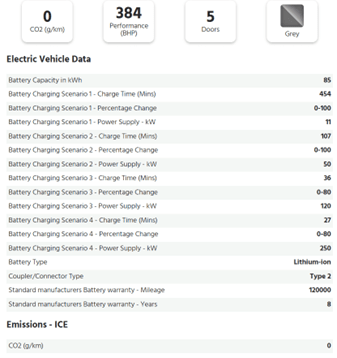
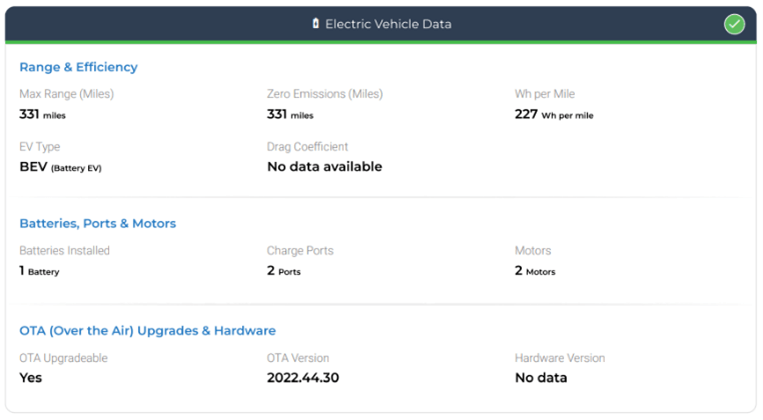
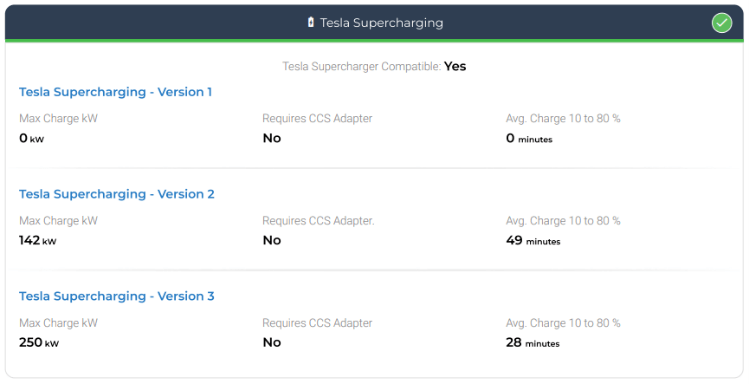
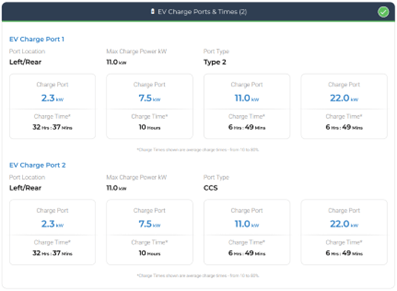
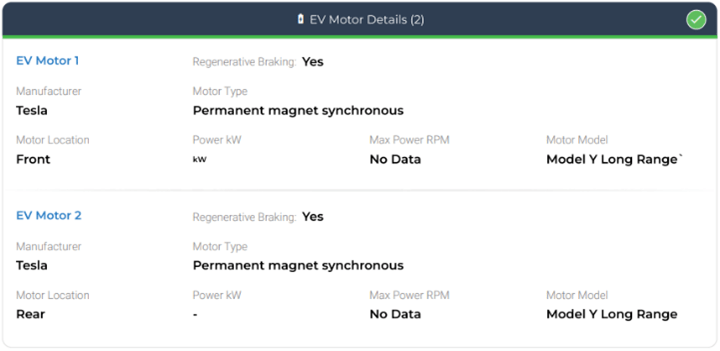
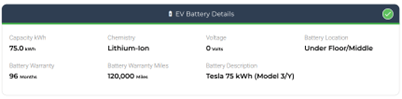
To illustrate this gap, I compared the data shown for a Tesla on a well-known used car portal with the comprehensive information available from one of our data partners. While the portal provided basic details, it fell short of offering the depth of insight that would truly help buyers.
So, is enhanced EV data – like the example below – too much information?
Perhaps. But surely, too much is better than too little?
We live in a data-driven world, and as alternative-fuelled vehicles continue to grow in popularity, it’s essential that the data supporting them is just as robust. Educating car buyers with the best available information is key to building confidence in EV ownership.
With 92% of car buyers researching online before visiting a showroom, let’s ensure they have access to the most accurate and detailed data possible.
Interested in comprehensive Electric Vehicle Data?
Let us help you stay ahead in the EV market. Contact us today to explore how our EV data can power your business.